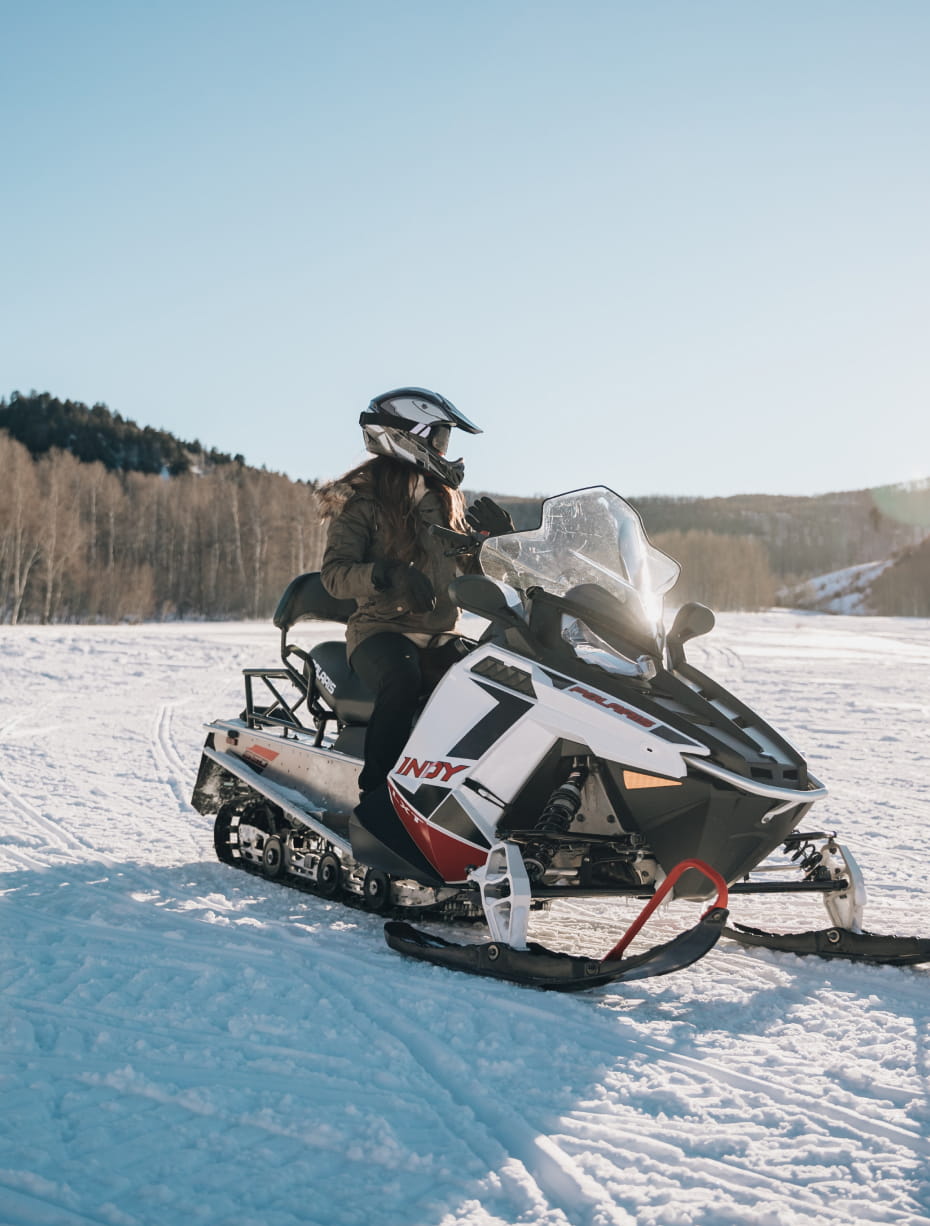
When heated grips first appeared on snowmobiles in the 1980s, they were simple on/off affairs—binary comfort that was better than nothing but far from ideal. Today, the landscape looks dramatically different. Modern flexible heater technology enables multi-zone thermal management systems that deliver precise, adjustable warmth exactly where riders need it.
At Symtec, we've been at the forefront of this evolution, developing proprietary heating element designs that push the boundaries of what's possible in rider comfort and equipment reliability.
Single-zone heated grips were a good start, but riders quickly discovered their limitations. Cold thumbs, uneven heat distribution, and excessive power draw were common complaints. The introduction of dual-zone and quad-zone heating systems changed everything.
Our dual-zone kits separate the grip into distinct heating areas, allowing riders to direct more warmth to the thumb bar—where cold exposure is greatest—while maintaining comfortable temperatures across the palm area. This targeted approach reduces energy consumption while dramatically improving rider comfort.
The real revolution has been in materials. Early heating elements used rigid wire windings that were prone to fatigue failure and hot spots. Modern flexible heater technology uses etched foil elements and advanced polymer substrates that conform to complex geometries while delivering uniform heat distribution.
These materials can withstand the extreme vibration, moisture, and temperature cycling that powersports equipment endures—factors that would quickly destroy conventional heating approaches.
The future points toward intelligent thermal management—systems that automatically adjust heat output based on ambient temperature, rider preferences, and vehicle operating conditions. At Symtec, we're already developing next-generation solutions that integrate sensors, microcontrollers, and adaptive algorithms to deliver this vision.