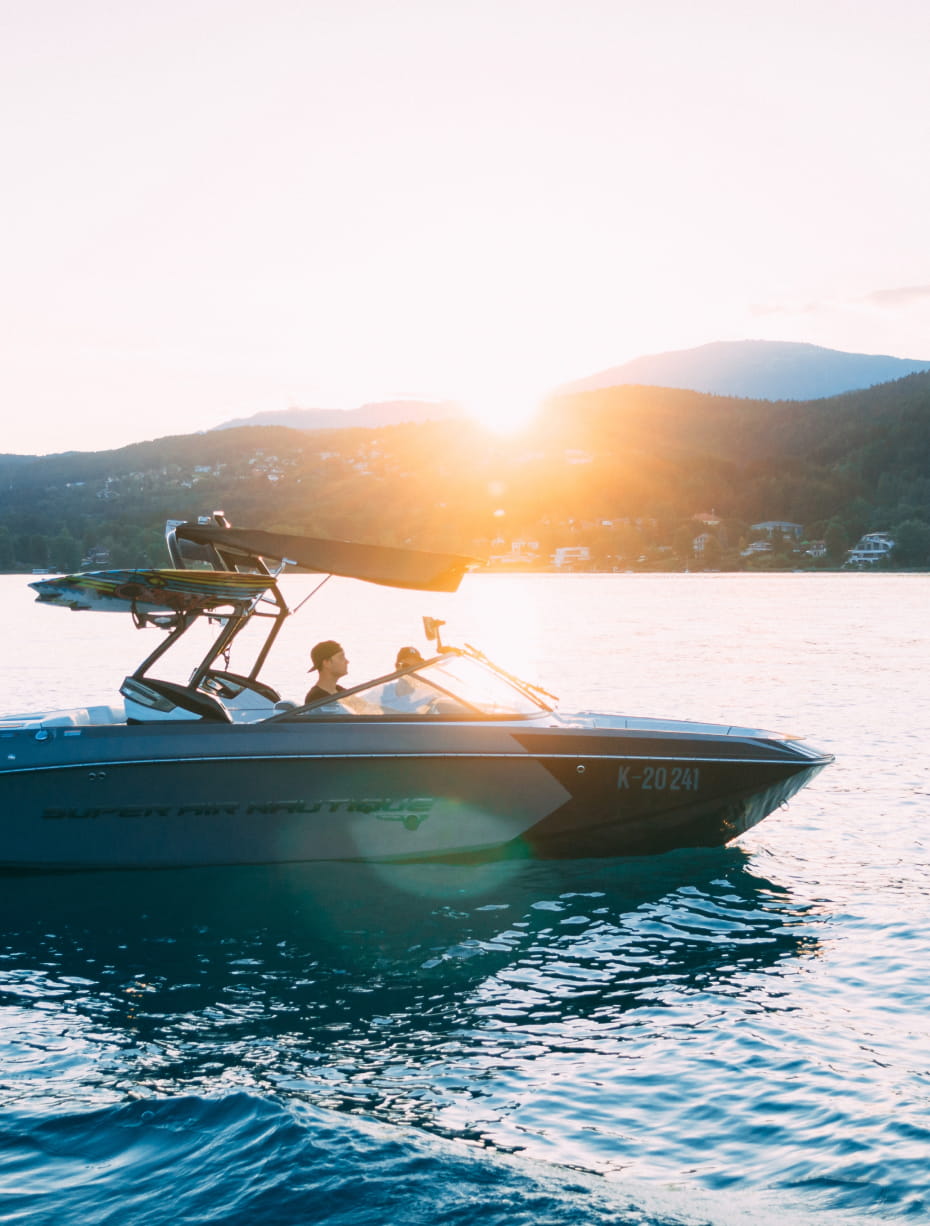
If you want to test the limits of any electronic component, put it on a boat. The marine environment combines every environmental stress into one relentless assault: salt spray that corrodes metals and degrades polymers, UV radiation that breaks down adhesives and insulation, constant vibration from hull impacts and engine operation, and wide temperature swings from hot sun exposure to cold night air.
For heated components like grip warmers, seat heaters, and steering wheel heaters on marine vessels, surviving these conditions for years of reliable service requires specialized engineering.
Salt is the enemy. It attacks connector pins, corrodes copper traces, and creates conductive paths that cause short circuits. Our marine-grade products use gold-plated connectors, conformal coatings on all exposed circuitry, and sealed enclosures rated to IP67 or higher.
We also carefully select materials for galvanic compatibility, ensuring that dissimilar metals in contact won't create electrochemical corrosion cells in the presence of salt water.
Marine components face intense UV exposure that would quickly degrade standard materials. Our marine product line uses UV-stabilized polymers, silicone-based adhesives that resist UV breakdown, and protective outer layers that shield critical components from solar radiation.
We validate our marine products through accelerated life testing that simulates years of marine exposure in weeks. Salt fog testing per ASTM B117, UV exposure per ASTM G154, and thermal shock testing ensure that products will perform reliably throughout their intended service life.
The marine market demands the highest reliability standards, and our engineering approach delivers components that our boating clients can trust.